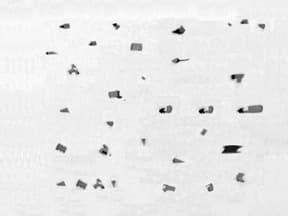
AlON aluminum oxynitride ceramic microstructure at 200X magnification showing metallographic sample preparation results, sputter coated, as-polished surface

Metallography: Sample Preparation Guides & Procedures

Technical guides, procedures, and reference materials for metallographic sample preparation. From sectioning and mounting to polishing and etching.

What is Metallography?

Metallography is the scientific study and analysis of the microstructure of metals, alloys, ceramics, and composite materials. Through systematic sample preparation and microscopic examination, it reveals grain boundaries, phases, inclusions, and defects that determine material properties.

Essential for quality control, failure analysis, and materials research across aerospace, automotive, medical devices, energy, and additive manufacturing industries.

Ferrite and pearlite microstructure in steel showing metallographic sample preparation results

The Five-Step Preparation Process

1

Sectioning

Cut sample to size with minimal damage

2

Mounting

Embed in resin for handling

3

Grinding

Remove damage with progressive abrasives

4

Polishing

Achieve scratch-free mirror surface

5

Etching

Reveal microstructure with reagents

Sample Preparation Resources

Step-by-step procedures, material-specific protocols, and technical references for metallographic analysis.

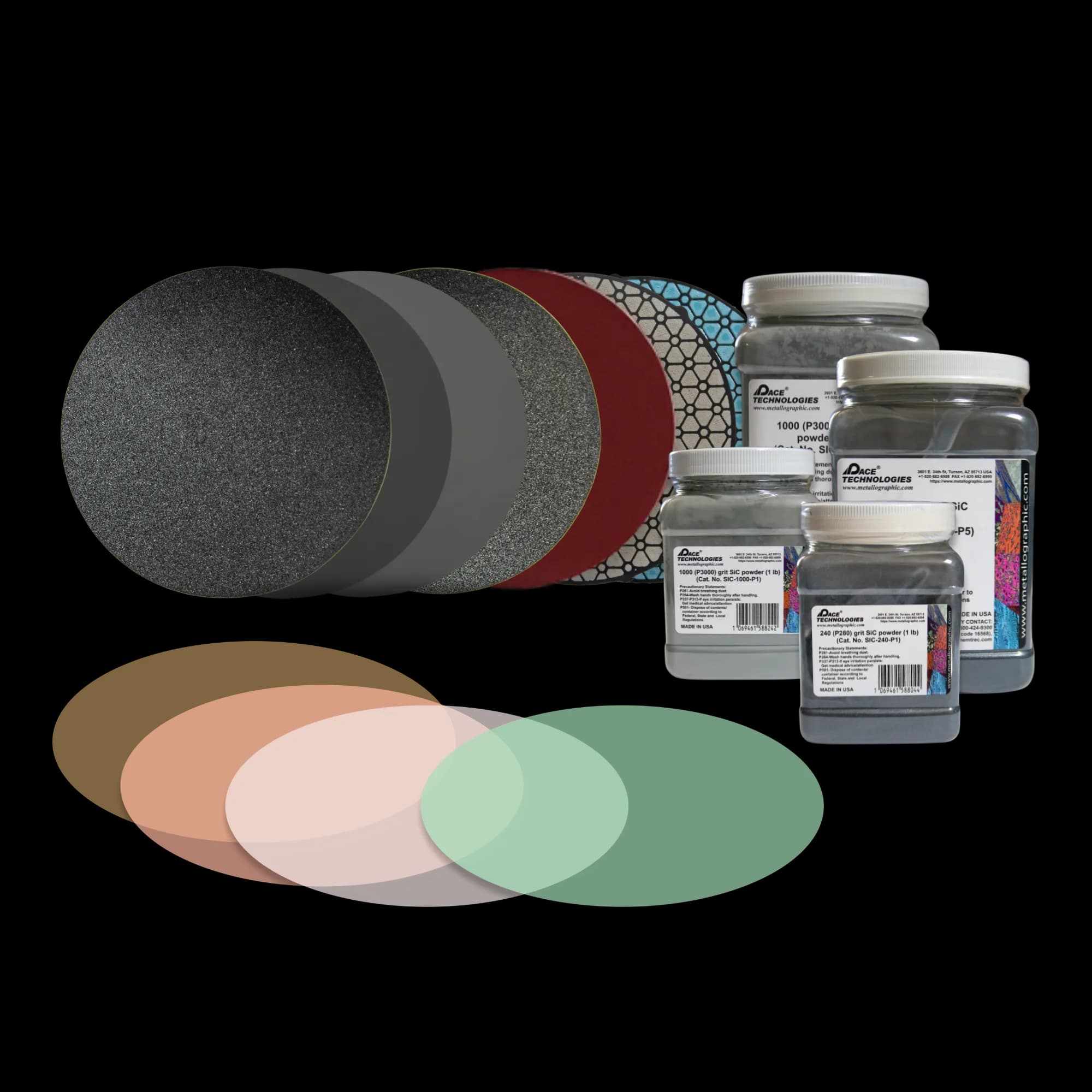
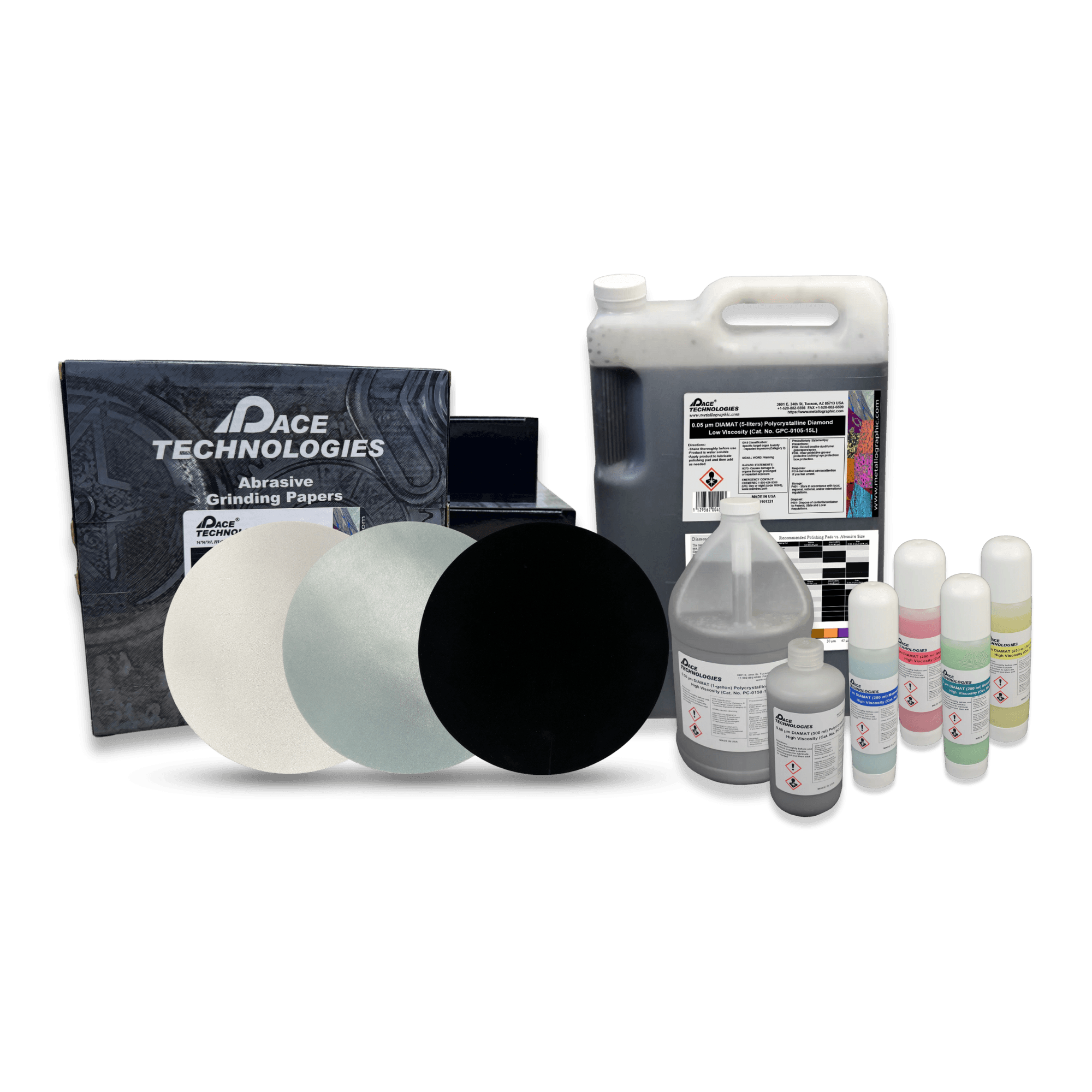
Silicon carbide grinding papers and lapping consumables for metallographic sample preparation, abrasive grit sizes for grinding procedures

Preparation Guides

Detailed procedures for sectioning, mounting, grinding, polishing, and etching. Material-specific protocols for steels, aluminum, titanium, ceramics, and composites.

Explore Guides
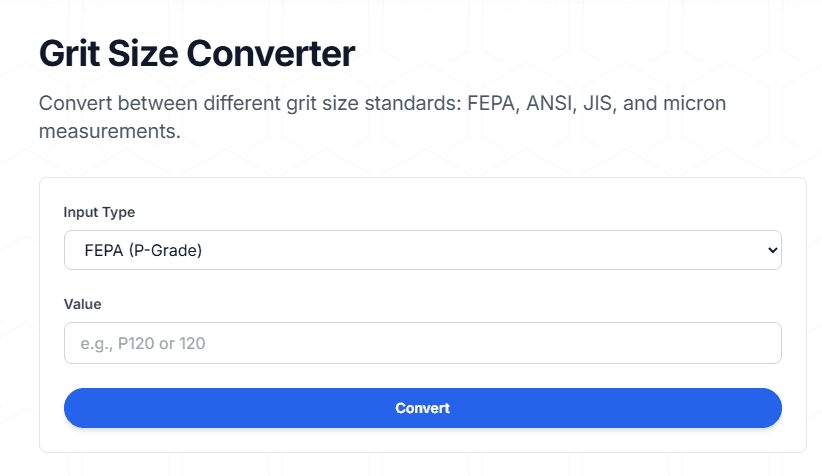
Metallographic grit size converter tool showing FEPA, ANSI, JIS grit size conversion for grinding and polishing procedures in sample preparation

Reference Tools

Grit size converters, polishing time calculators, etchant selectors, and material compatibility checkers. Quick access to ASTM standards and technical specifications.

Browse Tools
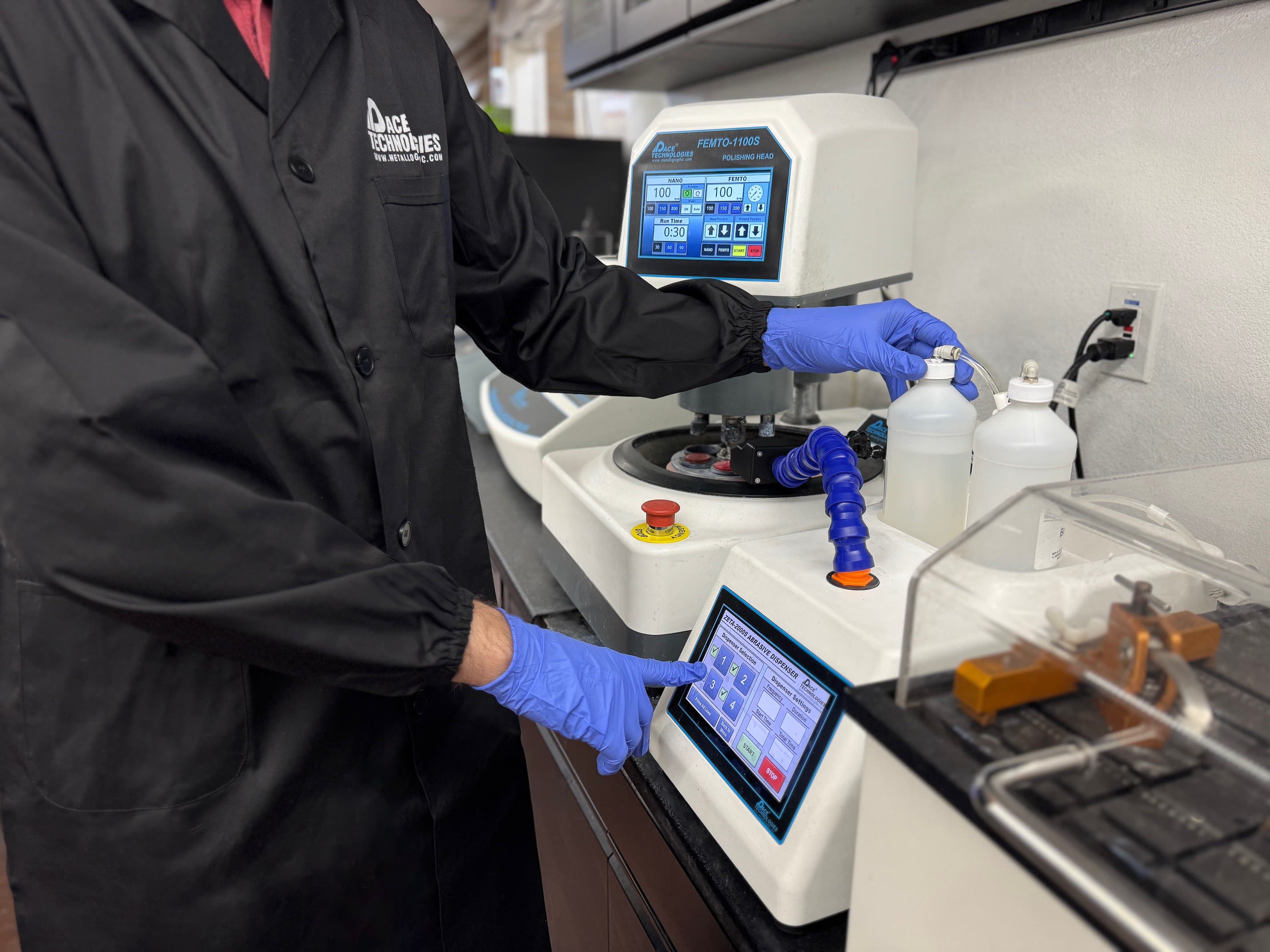
Metallography technician working with sample preparation equipment including grinding polishing machines for metallographic analysis

Reference Materials

Preparation checklists, troubleshooting guides, ASTM standard references, and safety data sheets. Documentation for quality control and procedure verification.

View Resources

Frequently Asked Questions

Common questions about metallography and sample preparation

Metallography is the scientific study and analysis of the microstructure of metals and alloys. It involves preparing samples through sectioning, mounting, grinding, polishing, and etching, then examining them under a microscope to reveal grain structure, phases, inclusions, and other microstructural features that determine material properties.
Metallographic sample preparation typically involves five main steps: 1) Sectioning - cutting the sample to size, 2) Mounting - embedding in resin for handling, 3) Grinding - removing sectioning damage with progressively finer abrasives, 4) Polishing - achieving a scratch-free surface using diamond or oxide abrasives, and 5) Etching - applying chemical reagents to reveal microstructural features.
Metallographic preparation techniques apply to metals and alloys (steels, aluminum, titanium, nickel alloys, copper, brass), ceramics, composites, and other engineering materials. Each material type requires specific preparation protocols, etchant selection, and handling procedures to reveal accurate microstructural information.
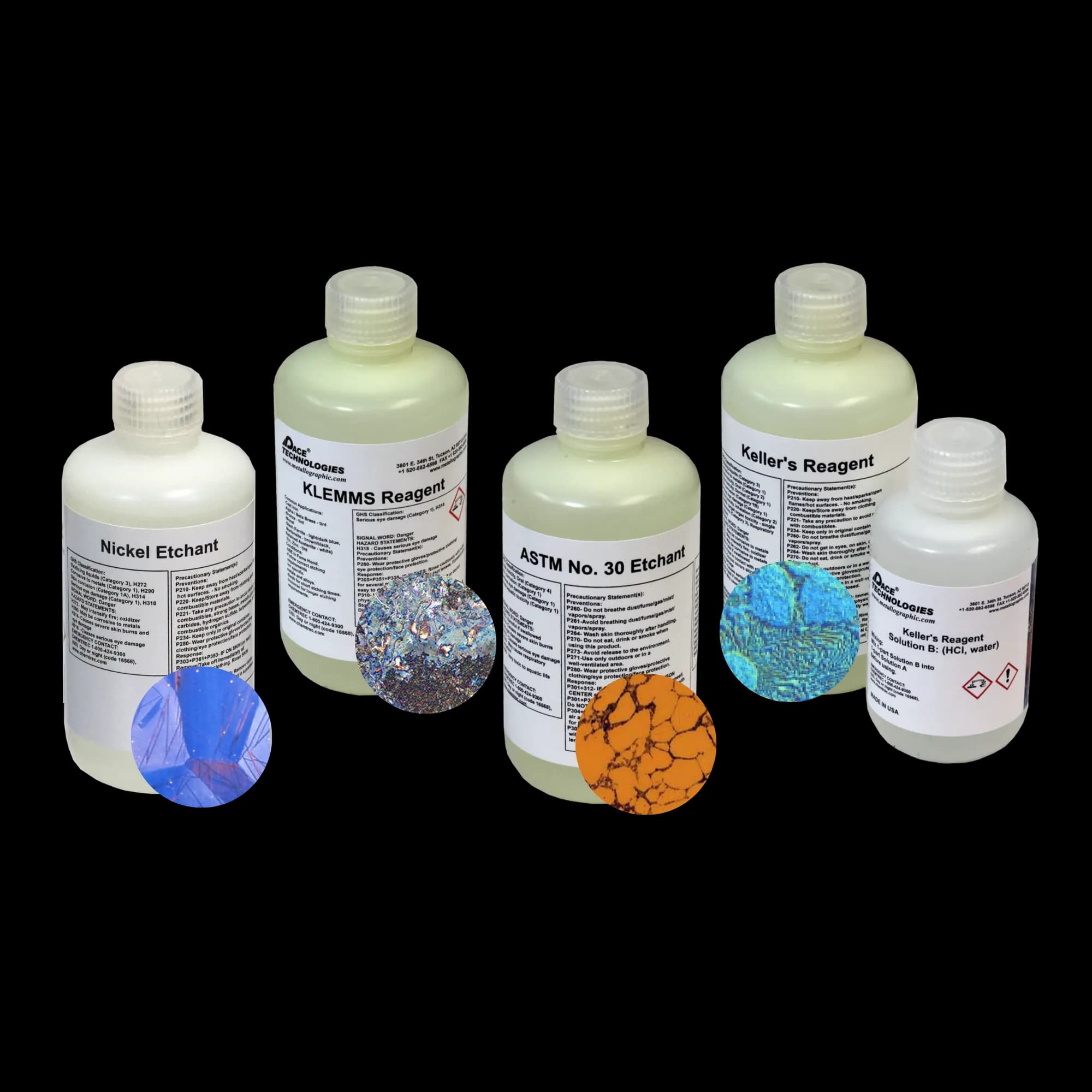
Etching in metallography uses chemical reagents to selectively attack different phases and grain boundaries in the material, creating contrast that reveals microstructural features under optical or electron microscopy. Different etchants are used depending on the material composition and the specific features to be examined.
Key ASTM standards for metallographic preparation include ASTM E3 (specimen preparation), ASTM E407 (etching procedures), ASTM E112 (grain size determination), ASTM E883 (reflected light microscopy), and material-specific standards. These provide standardized procedures for consistent, reproducible results.
Preparation time varies by material and complexity. Simple samples may take 30-60 minutes, while complex materials or multiple samples can take 2-4 hours. Sectioning takes 5-15 minutes, mounting 15-30 minutes (if using hot mounting), grinding 10-20 minutes per grit size, polishing 15-30 minutes per step, and etching 5-30 seconds to several minutes depending on the material and etchant.
Essential equipment includes: sectioning equipment (abrasive cut-off saw or precision saw), mounting press (hot or cold mounting), grinding/polishing machine with variable speed, microscope for examination, and safety equipment. Consumables include grinding papers (120-1200 grit), diamond abrasives (6μm to 0.25μm), polishing cloths, mounting resins, and etchants specific to the material being analyzed.
Grinding uses coarse abrasives (typically 120-1200 grit silicon carbide) to remove sectioning damage and achieve flatness. Polishing uses fine abrasives (diamond paste 6μm to 0.25μm or colloidal silica) to eliminate scratches and achieve a mirror-like, scratch-free surface suitable for microstructural examination. Grinding is a material removal process, while polishing is a surface refinement process.
Metallographic sample background

Metallographic Sample Preparation

Procedures, protocols, and technical references for preparing samples for microstructural analysis.

All resources are free and available without registration