The Importance of Proper Grinding and Its Effect on Final Surface Quality
Introduction
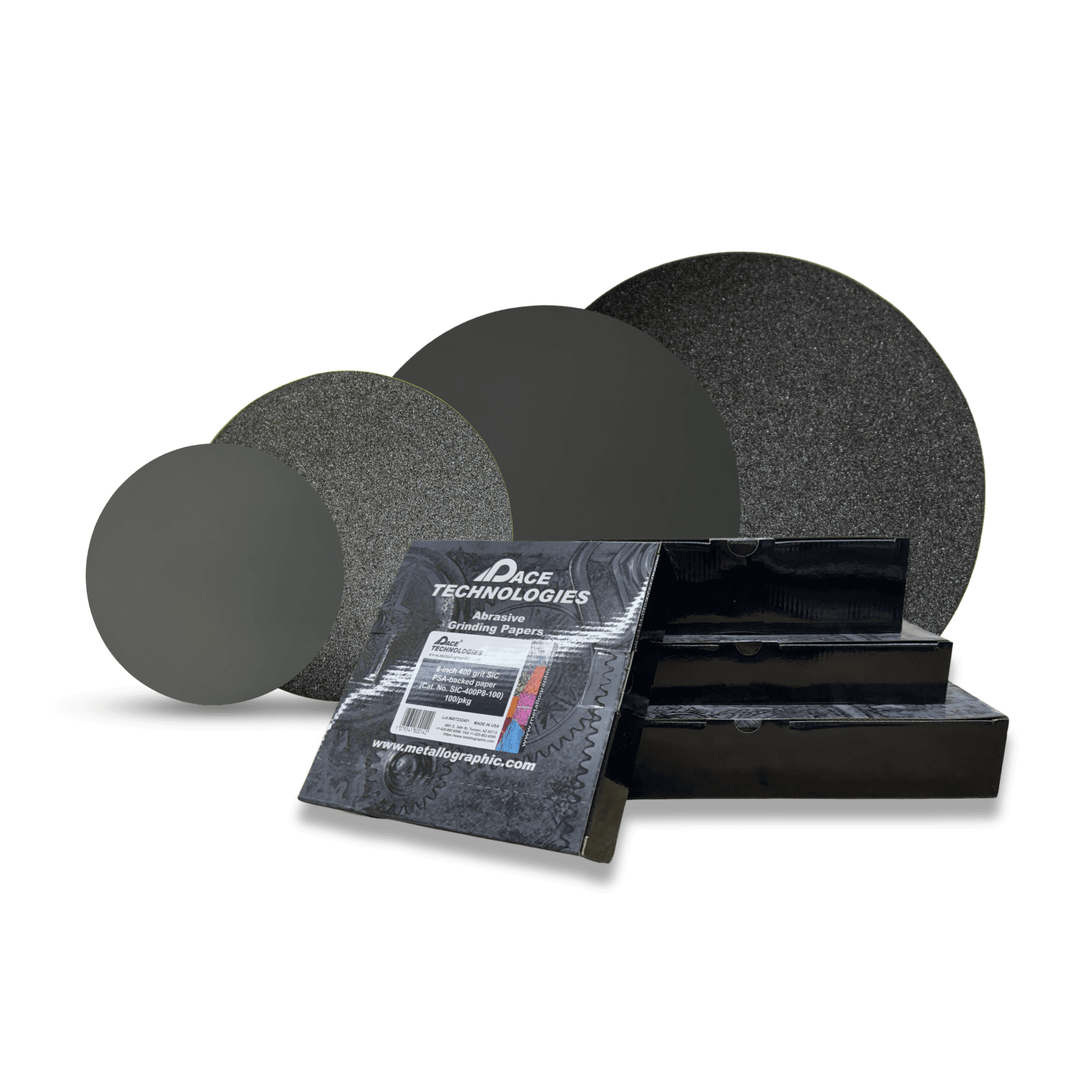
Grinding is often viewed as a routine or preliminary step in metallographic preparation, yet it is the stage that most significantly influences the success of the entire process. Many polishing issues can be traced directly to insufficient or inconsistent grinding. Proper grinding removes damaged material from cutting and establishes the foundation for a flat, uniform surface that can accept fine polishing.
Why Grinding Quality Matters
Every grinding step plays an important role in reducing subsurface deformation and eliminating scratches from previous stages. If grinding is rushed or if grit steps are skipped, deformation becomes trapped beneath the surface. This deformation may not be visible until etching or high magnification analysis, where it can distort microstructural interpretation.
Common Problems Caused by Incomplete Grinding
- Fine scratches that persist through final polishing.
- Subsurface deformation that becomes visible after etching.
- Relief formation due to uneven scratch depth remaining on the surface.
- Incorrect hardness readings or distorted grain boundaries.
How to Confirm Grinding is Complete
Grinding completion should not be judged by appearance alone. A well-prepared surface shows uniform scratch patterns, consistent directional marks, and no deeper scratches that cross the pattern. Each step should completely remove scratches from the previous grit before moving forward.
Recommended Practices
- Use adequate water flow to reduce heat and improve debris removal.
- Apply consistent pressure to avoid uneven material removal.
- Inspect the surface under good lighting before moving to the next grit.
- Use directional grinding, changing angles between steps to ensure scratch visibility.
Conclusion
Proper grinding is essential for producing high-quality metallographic surfaces. The time invested in careful grinding leads to more efficient polishing, improved microstructural visibility, and reduced preparation errors. Establishing disciplined grinding habits ensures that final polishing efforts are effective and reliable.
Want to Learn More?
Explore our comprehensive guides for detailed step-by-step instructions on sample preparation techniques.
Browse GuidesRelated Posts
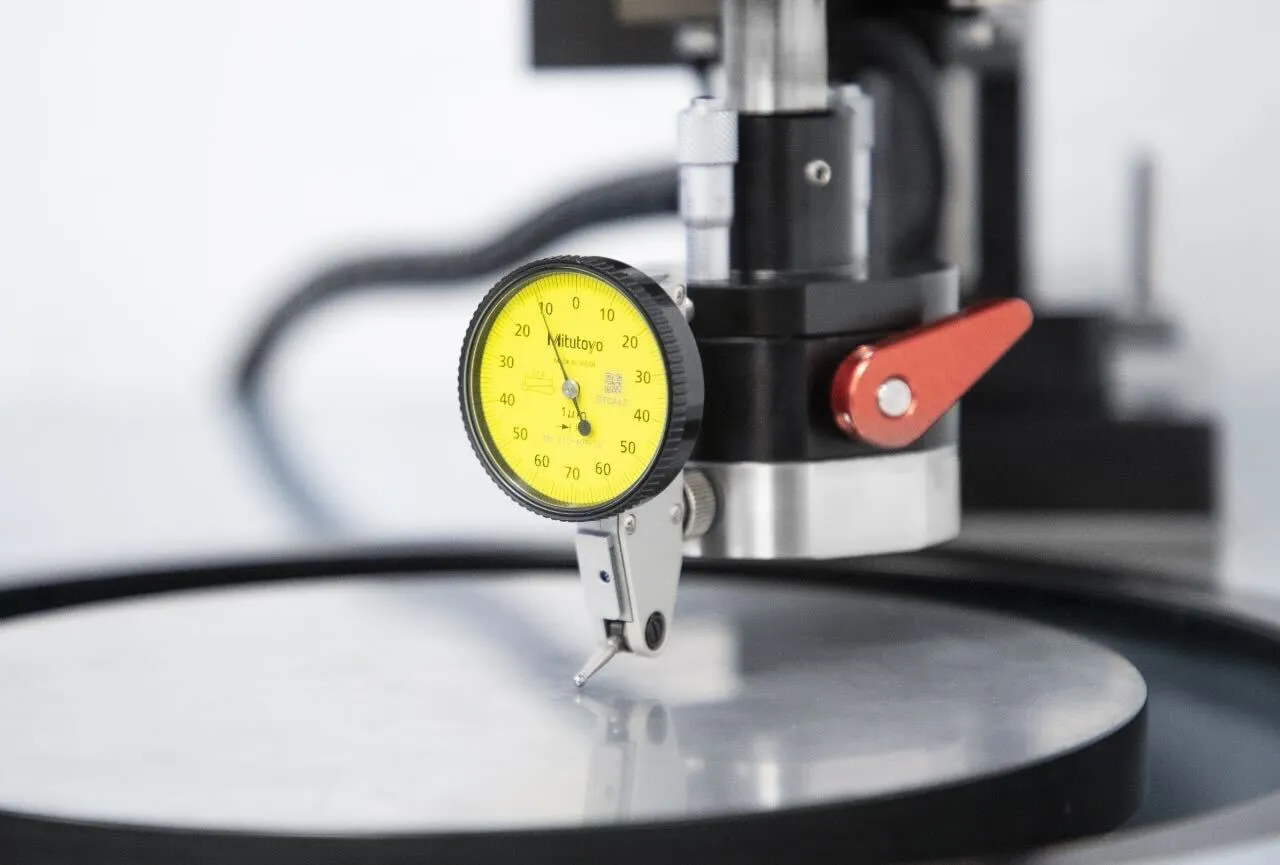
The Role of Surface Flatness in Accurate Metallographic Evaluation
Learn why surface flatness is critical for accurate metallographic evaluation and how preparation decisions influence flatness and measurement accuracy.
Read More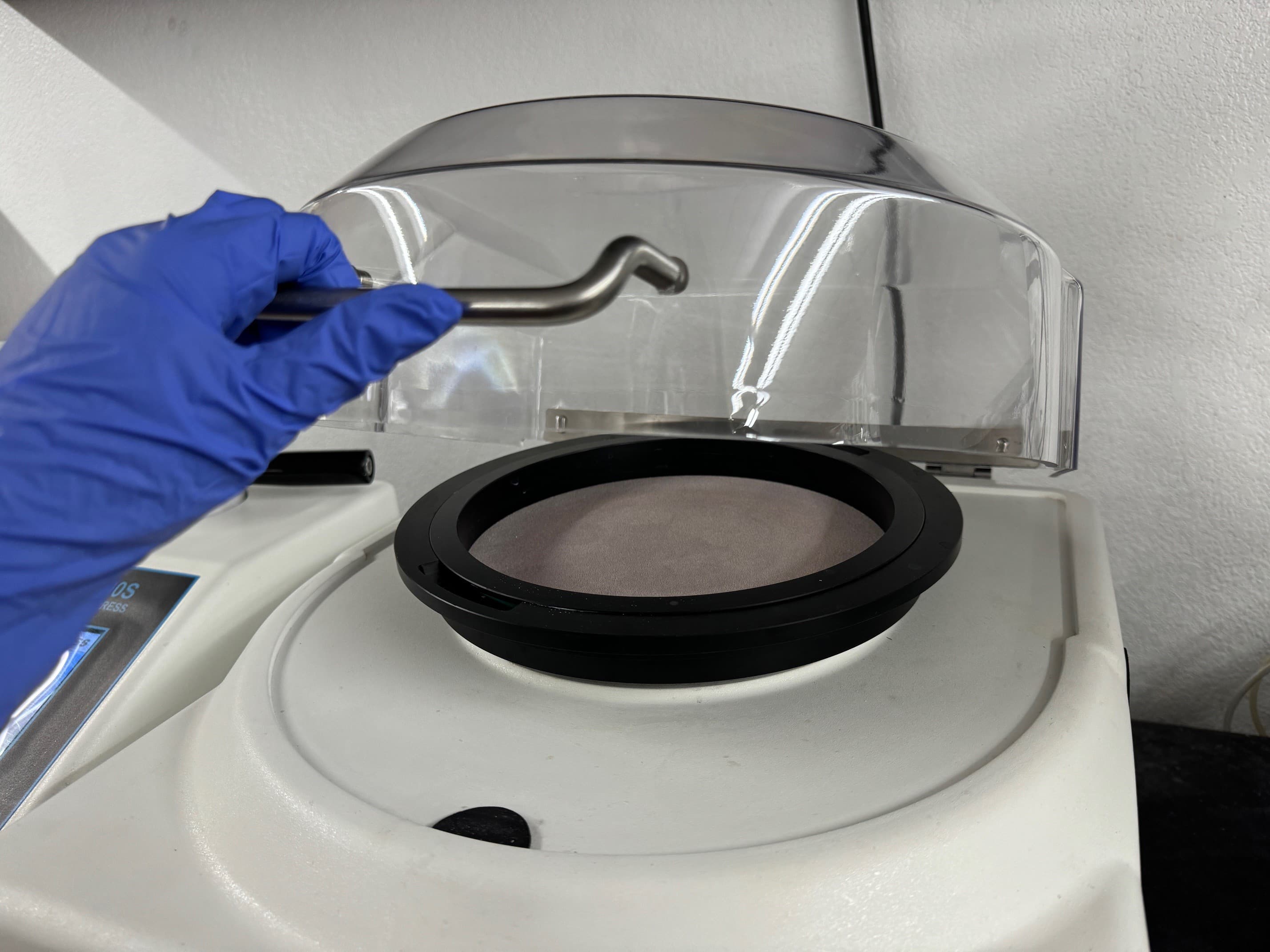
Vibratory Polishing: When It Outperforms Advanced Final Polishing Methods
Learn when vibratory polishing provides superior surface finishes over other advanced methods and why it is critical for high-resolution metallographic analysis.
Read More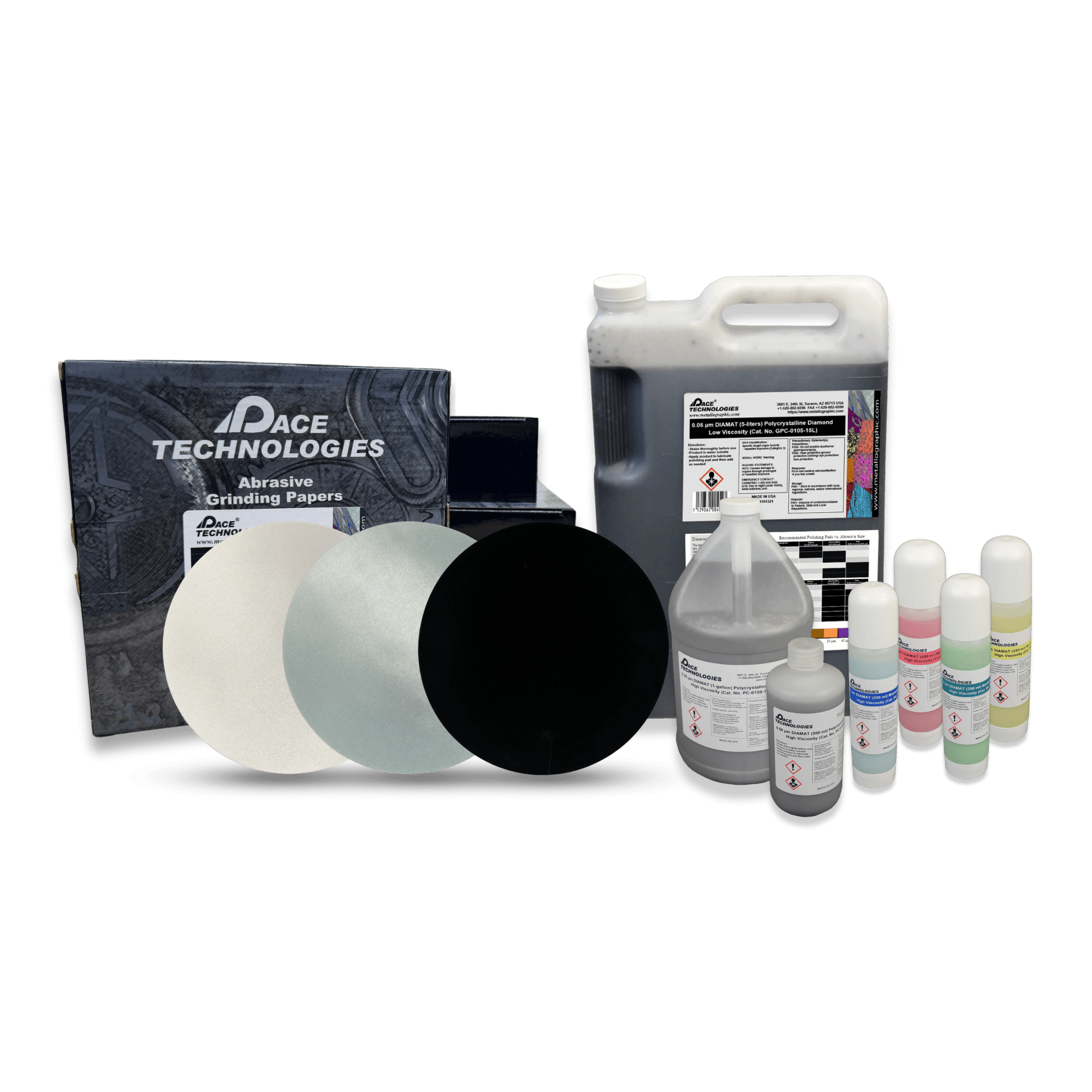
How Polishing Cloth Properties Influence Metallographic Results
Learn how polishing cloth characteristics affect surface quality, relief formation, and polishing performance in metallographic preparation.
Read More